
Case Overview & Transition Parameters
Core Architectural Parameters
- Migration Model
- Dual-Ledger Parallel Run
- Fundamental Equation
- Assets = Liabilities + Equity
- Reconciliation Delta
- 0.00 Net Variance
- Audit Integrity
- Continuous Bilateral Verification
Structural Migration Methodology & Execution
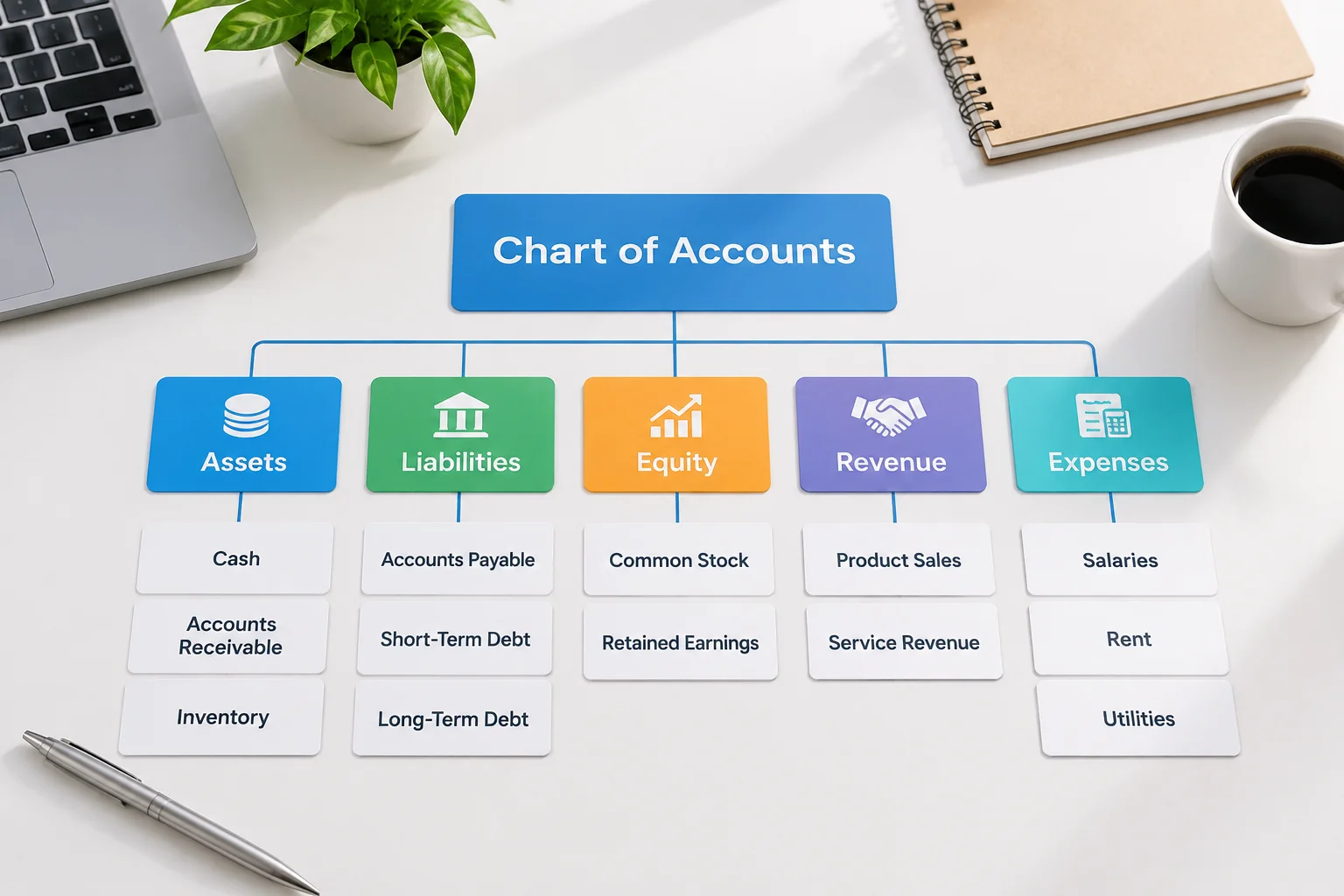
Moving an institutional ledger from a legacy system to a modern relational architecture requires far more than mere row copy operations. When accounting records transition between database engines, the underlying chart of accounts must maintain strict mathematical equivalence. In this observed implementation, the primary challenge stemmed from discrepancies in account categorization: older flat accounts needed translation into a hierarchical multi-tier tree structure without altering historical closing figures.
Each account node was mapped through an explicit crosswalk matrix before initiating batch data transfers. System analysts created transitional clearing accounts to receive opening asset and liability balances, ensuring every historical left entry was met with an equal offsetting journal line. Rather than rushing straight into production cutover, the migration team enacted a ninety-day parallel run where every day-to-day transaction posted simultaneously to both environments.
Foundational Takeaways for Ledger Relocation
- Establish verified trial balance baselines before exporting any historic journal batch.
- Maintain one-to-one mapping logs for every sub-ledger to prevent orphaned transaction trails.
- Enforce zero-tolerance delta checks on opening balance sheets across all fiscal quarters.
During the reconciliation checkpoints, automated verification scripts compared account balances across both ledgers down to the individual cent. When discrepancies arose from timing differences or rounding variations in secondary currency conversions, isolated clearing accounts documented the variances. The project established that rigorous classification rules and consistent account semantics form the true foundation of trustworthy bookkeeping software.
Verification Protocols & Error Containment
“A ledger migration is never merely a transfer of balances; it is a rigorous mathematical verification that every historic journal entry retains its bilateral equilibrium in the new environment.”
The closing stage required comprehensive trial balance comparisons for every active fiscal period. Auditors verified that cumulative left entries exactly mirrored opposing journal balances across the complete historical timeline. Any structural inconsistency in compound entries was isolated into sandbox environments for remediation. By structuring the migration around continuous balance equations rather than blind file transfers, the institution successfully preserved three decades of immaculate double-entry records.
Inquire About Case Documentation
Contact the editorial board for pedagogical diagrams, verification worksheets, or research methodologies related to ledger structures.